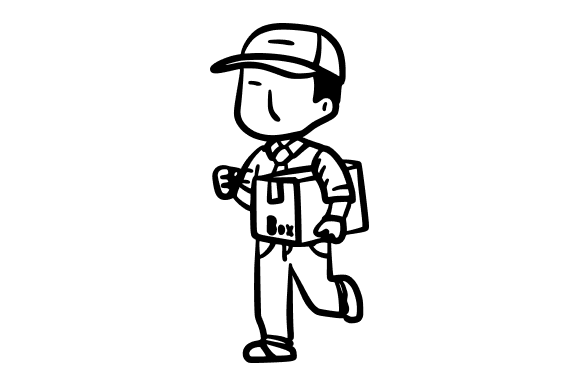
Browse Doodle Illustration: A Designer's Embroidery Review
As a designer who spends more time staring at stitch simulations than I do sleeping, I approach every new digital embroidery file with a mix of excitement and skepticism. We've all been there: you download a stunning graphic, load it into your software, and realize the details are too fine for anything but a display piece. That is why I took a close look at the Browse Doodle Illustration. This isn't just another clipart image; it is a potential cornerstone for a specific niche of handmade product lines. My goal here is to break down how this hand-drawn black and white asset translates from a screen to a stitched finished product, specifically for those of us running craft businesses or selling on platforms like Etsy.
The Aesthetic: Why Hand-Drawn Works in Thread
The first thing that strikes me about the Browse Doodle Illustration is its inherent simplicity. In the world of Illustrations and Graphics, "doodle" often implies something casual, sketchy, and approachable. For an embroidery project, this is gold. Unlike hyper-realistic portraits that require thousands of stitches and perfect tension, a doodle style embraces the texture of the thread. The irregular lines of a hand-drawn aesthetic mimic the natural variation of a running stitch or a lightly filled area, making it forgiving on slightly uneven fabrics.
The mood created by this design is playful yet professional. It feels modern, fitting perfectly into the current trend of minimalist boutique branding. When I visualize this as a tote bag design or a logo patch for a coffee shop apron, it doesn't scream for attention; instead, it invites a closer look. For Etsy sellers and creative entrepreneurs, this subtle confidence is exactly what builds brand recognition. It says, "We are handmade, we are thoughtful, and we don't need flashy colors to stand out."
Real-World Application: The Custom Tote Scenario
Let's move from theory to practice. Imagine a client comes to you needing a set of reusable shopping bags for a local farmer's market or a boutique launch. They want something eco-friendly and chic. This is where the Browse Doodle Illustration shines. Because the source material is black and white, you have total control over the thread colors. You aren't locked into a specific palette.
In this scenario, I would digitize this illustration using a combination of satin stitch for the bolder outlines and a light fill stitch for any shaded areas, ensuring the stitch density remains low enough to prevent puckering on canvas or cotton twill. On a natural beige tote, stitching this design in charcoal grey or deep navy creates a sophisticated, high-end look. If the client wants something punchier, a stark black thread against the natural fabric offers excellent contrast. The result is a custom apparel or accessory item that looks like it was drawn directly onto the fabric, enhancing the perceived value of the small shop product.
This versatility extends beyond bags. Think about sweatshirt embroidery. A large, centered doodle on the back of a heavyweight hoodie is a massive trend right now. The organic lines of the Browse Doodle Illustration complement the soft, textured surface of fleece better than rigid, geometric vectors ever could. It adds a layer of artistic flair that appeals to younger demographics looking for unique, non-mass-produced clothing.
Navigating Fabric Challenges and Hoop Limitations
However, no design is without its constraints, and a responsible reviewer must address them. While the doodle style is forgiving, the "hand-drawn" nature often includes very fine lines and tiny details. If you are working with a small hoop size, you must be careful not to lose these nuances. Before committing to a production run, always test the design on scrap fabric identical to your final material.
Texture is another critical factor. On highly textured fabrics like waffle weave towels or thick wool blankets, extremely fine running stitch details might get lost or break. In these cases, you may need to adjust the digitizing settings to thicken the lines slightly or switch to a denser fill to ensure visibility. Similarly, when working on stretchy fabrics like jersey knits for baby embroidery projects, the stability of the design is paramount. A loose, sketchy design can distort easily if the fabric stretches during wear. Using the correct cut-away stabilizer is non-negotiable here to maintain the integrity of the Browse Doodle Illustration after multiple washes.
Curved surfaces present another hurdle. If you plan to use this on a cap or a structured hat, remember that the center of the design will compress while the edges expand. Doodles with long, sweeping lines can look warped if not positioned correctly within the hoop. For caps, I recommend keeping the design relatively small and centered on the front panel to avoid distortion.
Commercial Viability and Brand Consistency
For those of us selling design assets or finished goods, the commercial potential of this illustration is significant. The black and white format is a huge advantage for commercial embroidery because it simplifies inventory. You don't need to stock ten different colors of thread to offer this design; you can match whatever the customer's brand colors are. This flexibility makes it an ideal candidate for personalized gifts, corporate branding, or wedding favors where color matching is essential.
Furthermore, the clean lines of this machine embroidery design translate beautifully into printable mockup files. If you are a digital product seller, you can easily showcase this design on various products in your online store without needing complex color corrections. This consistency between your digital marketing and the physical embroidered patch or garment builds trust with your buyers. They know exactly what they are getting.
It is also worth noting the psychological impact on the buyer. A doodle style suggests human involvement. In an era of automated print-on-demand services, a stitched doodle reinforces the "handmade" narrative. It tells the customer that a person sat at a machine, threaded the needle, and carefully created their item. This story increases the giftability of the product and justifies a higher price point.
Final Verdict and Technical Recommendations
So, is the Browse Doodle Illustration ready for your next project? Absolutely, provided you respect its limitations. It is a versatile, stylish, and commercially viable asset that fits seamlessly into modern holiday embroidery collections, nursery decor, and boutique branding.
Before you start stitching, here are my practical notes for success:
- Test First: Always stitch out on a scrap piece of your intended fabric to check for registration issues.
- Check Density: Ensure the stitch density isn't too high for lightweight fabrics to avoid stiffness.
- Contrast Matters: Since the original is black and white, verify that your chosen thread color contrasts sufficiently with the fabric background.
- Licensing: Confirm the license terms regarding the sale of finished items versus the resale of the digital embroidery file itself.
- Stabilizer Selection: Match your stabilizer to the fabric weight; water-soluble tops can help hide stitch holes on plush fabrics.
In conclusion, the Browse Doodle Illustration is more than just a pretty picture; it is a functional tool for the modern maker. Whether you are creating a one-off personalized gift or scaling up a line of custom apparel, this design offers the perfect balance of artistic charm and technical practicality. By understanding how to adapt its hand-drawn soul to the realities of thread and fabric, you can create products that resonate deeply with your audience.