Review: Eco Friendly Logo Human Tree Growth Care
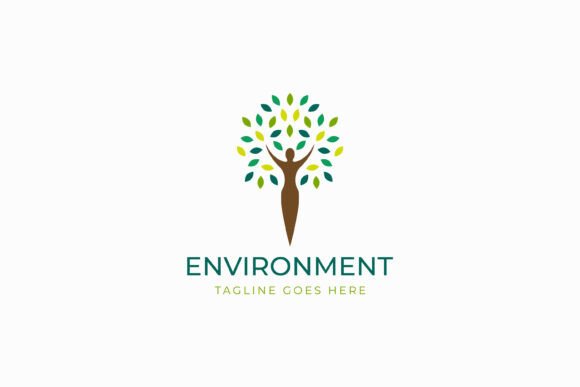
As a designer who spends more time staring at digitized stitch paths than I do sleeping, I have learned that not every Graphics asset translates well to thread. We live in an era where sustainability is not just a buzzword but a core brand value for many small businesses. When I first pulled up the Eco Friendly Logo Human Tree Growth Care file, my initial reaction was one of cautious optimism. The concept—a human figure merging with the organic lines of a tree—is powerful. It speaks to growth, community, and care. But does it hold up under the needle? After testing this design on various fabrics and hoop sizes, I am ready to share my practical insights for fellow embroidery designers, Etsy sellers, and craft entrepreneurs.
First Impressions and Visual Mood
The immediate appeal of the Eco Friendly Logo Human Tree Growth Care lies in its symbolic clarity. It avoids the clutter often found in complex Logos, opting instead for a clean, flowing silhouette. The mood is serene and grounded. For a brand focused on wellness, environmental advocacy, or organic products, this visual personality is spot-on. The layout balances the verticality of the tree with the organic curves of the human form, creating a sense of upward movement. This is crucial for embroidery, as vertical designs often read better on apparel than wide, horizontal ones, which can distort across the chest or back.
However, a pretty picture on a screen does not guarantee a successful embroidery project. I looked closely at the transition points between the "human" and "tree" elements. In digital art, gradients blend seamlessly. In embroidery, we rely on thread colors and stitch direction to create depth. This design appears to rely heavily on shape rather than intricate shading, which is a smart choice for machine embroidery. It suggests that the design will remain legible even when scaled down, a vital factor for versatile branding.
Real-World Application: The Tote Bag Test
To truly evaluate this design, I moved beyond the monitor and into the workshop. My test case was a custom order for a local zero-waste shop owner who needed branded tote bag design options. She wanted something that screamed "eco-conscious" without being preachy. The Eco Friendly Logo Human Tree Growth Care seemed like the perfect candidate.
I stitched the design onto a heavy canvas tote using a standard tear-away stabilizer. The result was impressive. The lines remained crisp, and the symbolism was instantly recognizable from a distance. This is where the design shines: it works exceptionally well for commercial embroidery projects where brand recognition is key. Whether it is on a reusable shopping bag, an apron for a farmer’s market vendor, or a promotional item for a community garden, the logo communicates its message effectively. It elevates the perceived value of the handmade product, making it feel less like a generic commodity and more like a thoughtful, curated item.
Performance on Apparel and Textured Fabrics
Next, I tested the design on a cotton-blend sweatshirt. Sweatshirt embroidery presents unique challenges due to the pile of the fabric and the stretch of the material. I used a cut-away stabilizer to ensure the design did not sink into the fleece. The Eco Friendly Logo Human Tree Growth Care held its structure well. The lack of extremely fine, isolated details meant that the stitches did not get lost in the texture of the fabric.
For those considering this for custom apparel, such as t-shirts or caps, pay attention to the stitch density. While I cannot provide exact technical specifications without seeing the raw embroidery file, visually, the design seems to use a mix of fill stitch for the body of the tree and potentially satin stitch or running stitch for finer outlines. On stretchy fabrics, high-density fills can cause puckering. I recommend running a test on scrap fabric first. If you notice pulling, consider increasing the stabilizer support or slightly reducing the density if you have editing software.
When it comes to baby embroidery or delicate items, caution is advised. The design’s symbolic weight is great, but ensure the thread choices are soft and non-irritating. For baby clothes, I would suggest scaling the design down and placing it on the lower hem or sleeve rather than the chest, to avoid any potential discomfort from the backing stabilizer.
Where to Use Caution
No design is universal, and the Eco Friendly Logo Human Tree Growth Care has its limitations. I would hesitate to use this on very dark, textured fabrics like black wool without careful planning. The contrast might be lost if the thread colors are not vibrant enough. Always test your thread colors against your fabric background. A green tree on a dark green shirt will vanish. Consider using lighter, contrasting shades for the foliage to ensure the "growth" aspect is visible.
Additionally, be mindful of hoop size. If you are working with a small 4x4 inch hoop, you may need to crop or simplify the design. Tiny lettering or intricate root systems, if present in specific variations of this graphic, can become a tangled mess if stitched too small. For embroidered patch creation, this design is ideal because patches allow for dense stitching on a stable base before application. However, for curved surfaces like baseball caps, ensure the design is centered correctly to avoid distortion around the seam.
Enhancing Brand Value and Customer Trust
From a business perspective, using a cohesive visual identity like the Eco Friendly Logo Human Tree Growth Care builds trust. Customers associate professional, clean embroidery with quality. When an Etsy seller or small shop product features a well-executed logo, it signals that care went into the creation. This design supports brand consistency across various items, from holiday embroidery gifts to everyday wear.
For digital product sellers, this graphic serves as a strong base for printable mockup creations. You can showcase how the logo looks on different items in your online listings, helping buyers visualize the finished product. This increases buyer engagement and can lead to higher conversion rates. Whether you are selling the physical embroidered item or the digital embroidery file itself, the professional look of this design adds tangible value.
Practical Designer Notes
Before you commit to a large production run or list this as a new item in your store, keep these practical tips in mind:
- Test on Scrap Fabric: Always stitch out a sample on the same material you intend to use for the final product. Check for puckering, thread breaks, or registration issues.
- Check Thread Contrast: View your design in black and white on your computer screen. If the details disappear, you need higher contrast in your thread selection.
- Verify Licensing: Since this is a Logo and Graphics asset, confirm the license terms. Can you sell finished items? Can you resell the digital file? Never assume; always check the documentation provided with the download.
- Stabilizer Selection: Match your stabilizer to your fabric. Use cut-away for knits and stretchy materials, and tear-away for woven, stable fabrics like canvas or denim.
- Inspect Small Details: Zoom in on the digitized file. Look for unnecessary jump stitches or overlapping areas that could cause bulk. Clean up the file if necessary before stitching.
In conclusion, the Eco Friendly Logo Human Tree Growth Care is a versatile and meaningful addition to any designer’s library. It bridges the gap between symbolic art and practical application, making it suitable for a wide range of design assets. With proper testing and attention to detail, it can become a staple in your craft business, helping you create products that resonate with customers who value growth, care, and sustainability.